
研究内容 / Research
現在の研究テーマ / Current Research

天然変性タンパク質と低温ストレス / Disordered proteins to survive cold
作物が過酷な冬を乗り越えるためには、寒さに対する防御機構が欠かせません。私たちは、イネ科植物が CISP タンパク質を用いて低温ストレスを軽減していることを発見しました。決まった立体構造を持たないこの「天然変性タンパク質」が、過酷な寒さの中でどのように機能するのか、その独自のメカニズムを解き明かすことで、将来の食糧危機を防ぐ気候変動に強い作物開発を目指しています。
Many essential crops must endure winter cold to thrive. We are investigating how grasses mitigate freezing stress using a unique disordered protein, CISP. By decoding this mechanism, we aim to develop climate-resilient crops and safeguard our future food supply.
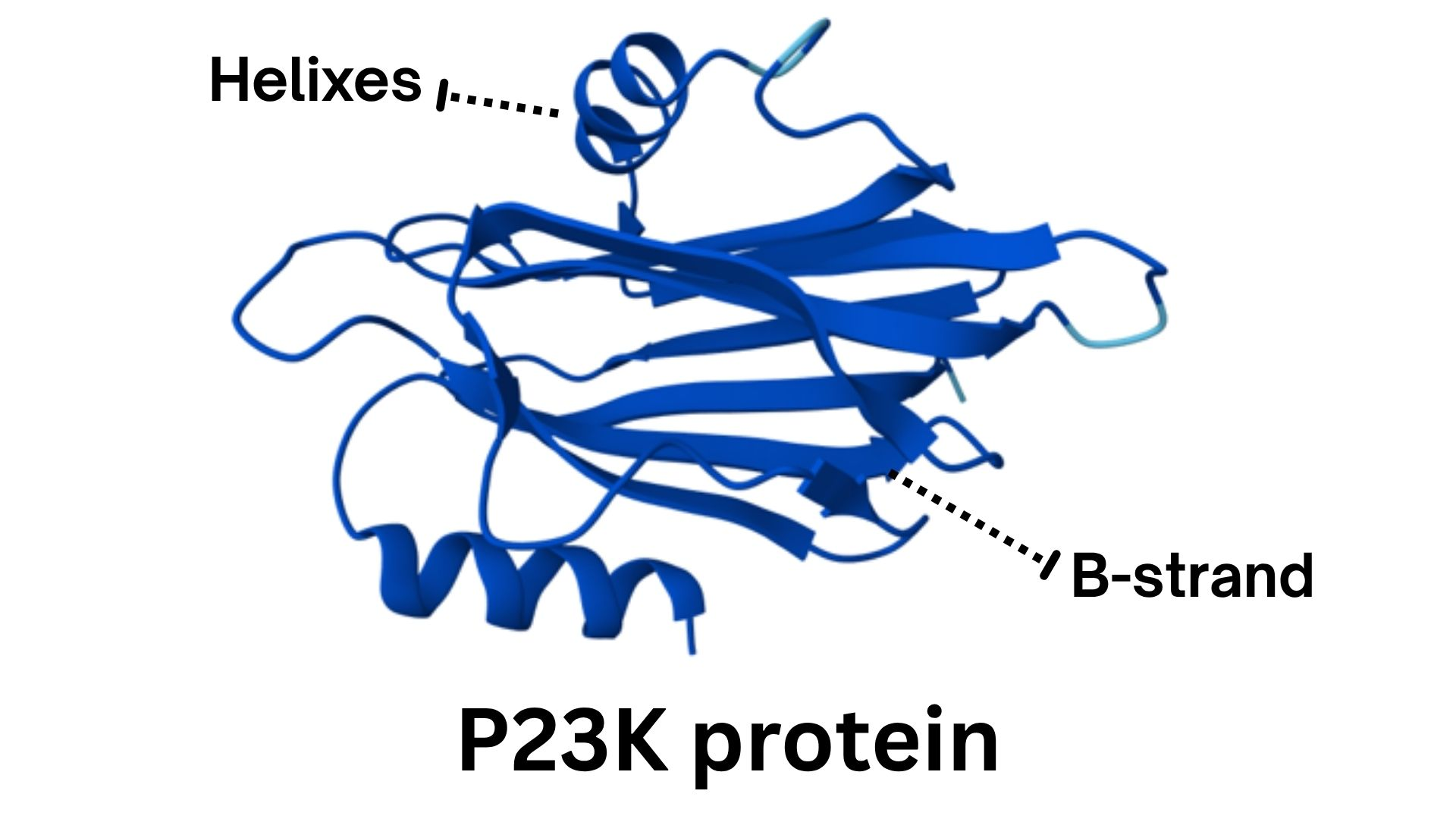
P23kタンパク質の機能 / P23k family protein analysis
パンや麺類など、私たちの食卓に欠かせないムギ類が生物学的に何が特別なのか?私たちは、ムギの細胞壁(β-グルカン)の構築に不可欠なタンパク質 P23k を研究しています。進化の過程で保存されてきたP23kの構造的特徴と、それがもたらす機能の関係性に注目しています。このタンパク質を解読することで、世界で最も重要な穀物の構造的な秘密に迫ります。
Wheat and barley are the foundation of our global diet, but what makes them biologically unique? We are investigating P23k that critical for building the unique cell walls (specifically β-glucan). Currently, our research focuses on understanding how its function and how the structural features of P23k have been conserved throughout evolution. By decoding this protein, we are uncovering the biological secrets of the world’s most important grains.
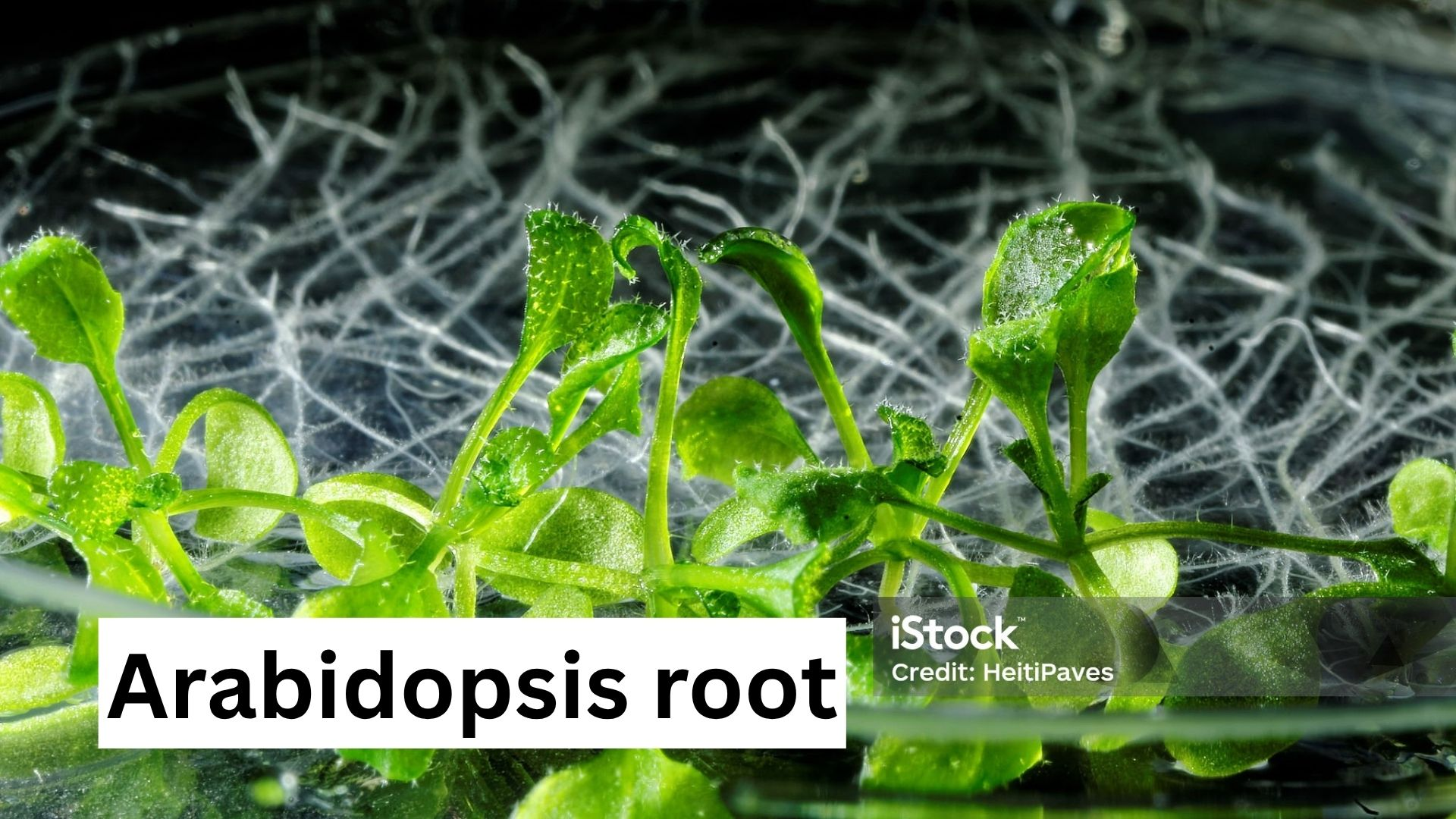
根におけるエピジェネティクス / Epigenetics in Plant Roots
動けない植物は、過酷な環境を生き抜くために遺伝子の働きを記憶・調整する「エピジェネティック」な戦略を持っています。私たちが注目する「PFP遺伝子」は、開花を抑える働きを持つ一方で、実は葉や茎ではなく「根」で最も活発に働いています。土の中でPFP遺伝子がどのような未知の役割を担っているのか、地下に隠された植物の生存戦略の謎に挑んでいます。
How do plants survive harsh environments? We study PFP, which helps plants adapt using “epigenetic” memory. While previous research shows PFP helps regulate when a plant flowers, its highest activity is actually hidden underground in the roots. We are digging into the roots to discover the unknown physiological functions of this gene and how it helps plants thrive under stress.
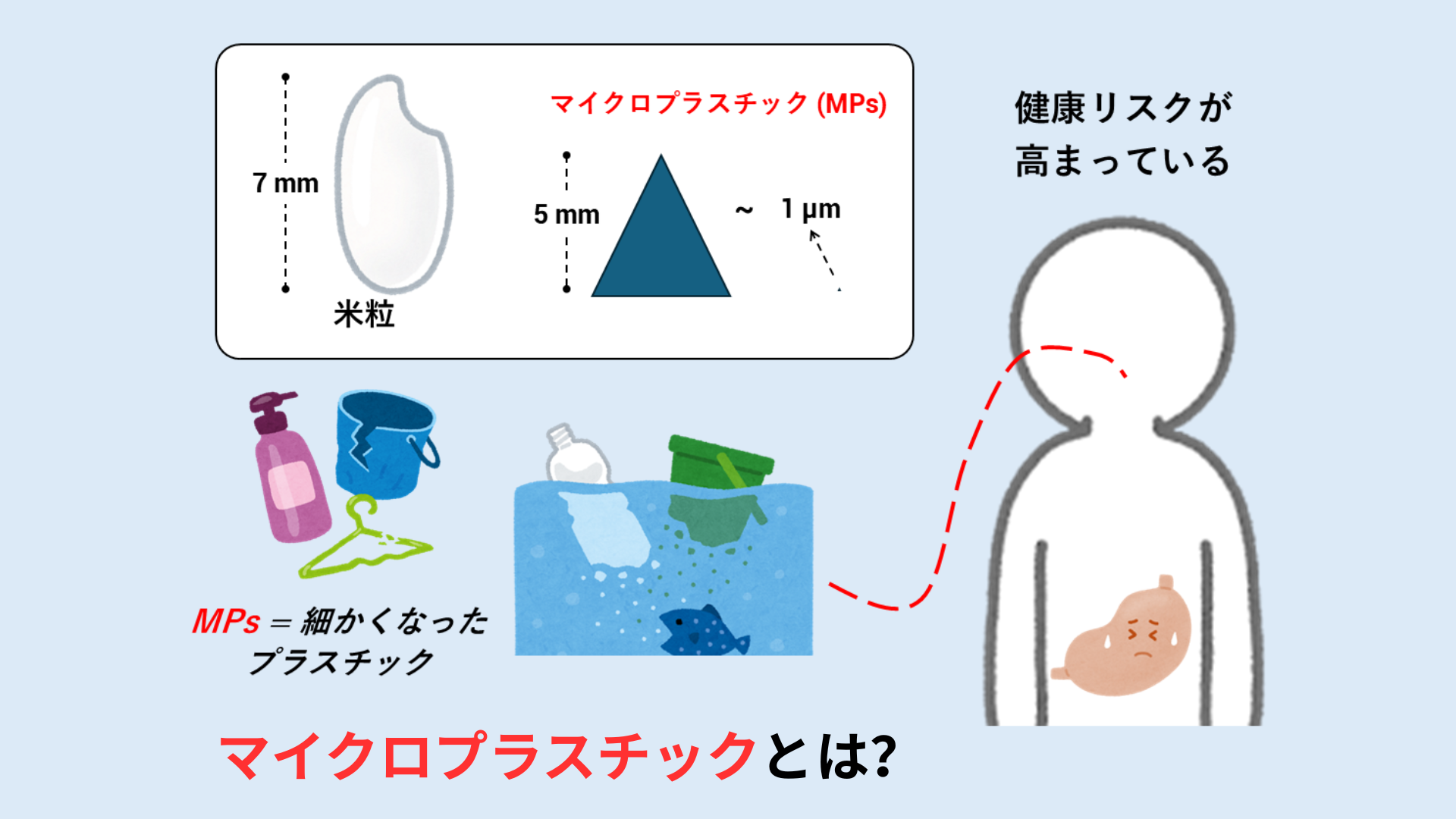
身近にあるマイクロプラスチック / Microplastics around us
プラスチック製品は環境中で徐々に劣化・分化され、マイクロプラスチック(MPs)となります。マイクロプラスチックは私たちの身近な環境に広く存在し、植物や人間を含む生物への影響が懸念されています。私たちは、環境中に存在するマイクロプラスチックの実態と、生物に及ぼす影響について研究しています。
Plastic waste gradually breaks down into tiny particles known as microplastics (MPs). These particles are now widespread in our environment and pose risks to both plants and humans. Our research investigates the presence and potential impacts of microplastics in the environment, helping us better understand their effects on living organisms.